
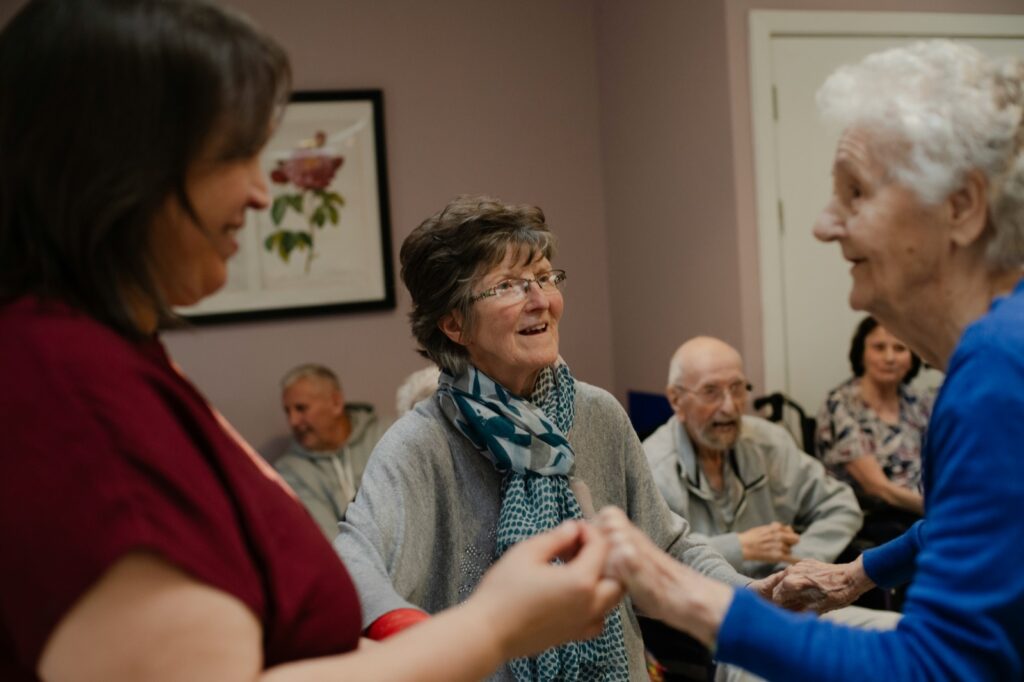
Loneliness is the distress of feeling disconnected; social isolation is having too few regular contacts. A person can experience either one while living alone or while surrounded by people. Senior living can create opportunities for connection, but belonging grows from choice, familiarity and meaningful roles—not from requiring every resident to attend group activities.
Why connection matters to health
The National Institute on Aging links social isolation and loneliness with higher risks of depression, cognitive decline, heart disease and other poor outcomes. Those associations do not mean one conversation prevents illness, but they do make connection an important part of a thoughtful care plan.
Risk can increase after bereavement, retirement, mobility loss, sensory change or a move. Ask about the person’s actual experience instead of assuming that being alone always feels lonely or that a busy room always feels connected.
Start with identity, not the calendar
Ask what the resident enjoyed before the move, which relationships matter, what time of day feels best and whether they prefer groups, one-to-one conversation or quiet companionship. “Activities” may mean music, gardening, faith, cards, helping set a table, watching birds or calling a grandchild.
A small, repeatable role often creates more purpose than a special event. Contribution tells a resident that the community needs their presence, not simply their attendance.
Make participation easier
Hearing, vision, fatigue, pain, continence concerns and memory changes can make a good activity inaccessible. Adjust seating, lighting, sound, duration and group size. Offer a personal invitation and enough information to reduce uncertainty.
For a resident with dementia, the activity should offer a chance to succeed. Familiar materials, visible steps and gentle cues can support engagement without testing memory or correcting every mistake.
Families remain part of the social world
A move does not replace family connection. Create a realistic visiting and calling rhythm, share important dates and let the team know about people the resident wants to hear from. Short predictable contact can be more reassuring than rare elaborate visits.
Families can also ask what happens after a difficult day. Does the team notice withdrawal? Who invites the resident again? How are mood or behavior changes communicated?
Measure quality by the resident’s response
A photo of an event cannot show whether someone felt included. Look for small signs: the resident recognizes a caregiver, asks about a routine, laughs, sleeps better or begins initiating contact. Also respect a lifelong preference for privacy.
Review the social plan after move-in and after health changes. The right balance may shift, and a resident who first watches from the doorway may later participate when trust has developed.
Supporting daily well-being in a nature-rich setting
Huntington Manor’s Poway grounds create more than a pleasant backdrop. Garden views, birds, outdoor paths and the sound of water can offer opportunities for quiet, conversation, light activity and familiar routines. These environmental features support daily life; they do not replace medical evaluation, therapy or individualized care planning.
Sources and further reading
- National Institute on Aging: Loneliness and Social Isolation—Tips for Staying Connected (opens in a new tab)
- National Institute on Aging: What Do We Know About Healthy Aging? (opens in a new tab)
- Eldercare Locator (opens in a new tab)
This article is educational and does not replace individualized medical, legal, financial or benefits advice. Program rules, provider networks and eligibility can change; confirm current details with the responsible agency or health plan.