
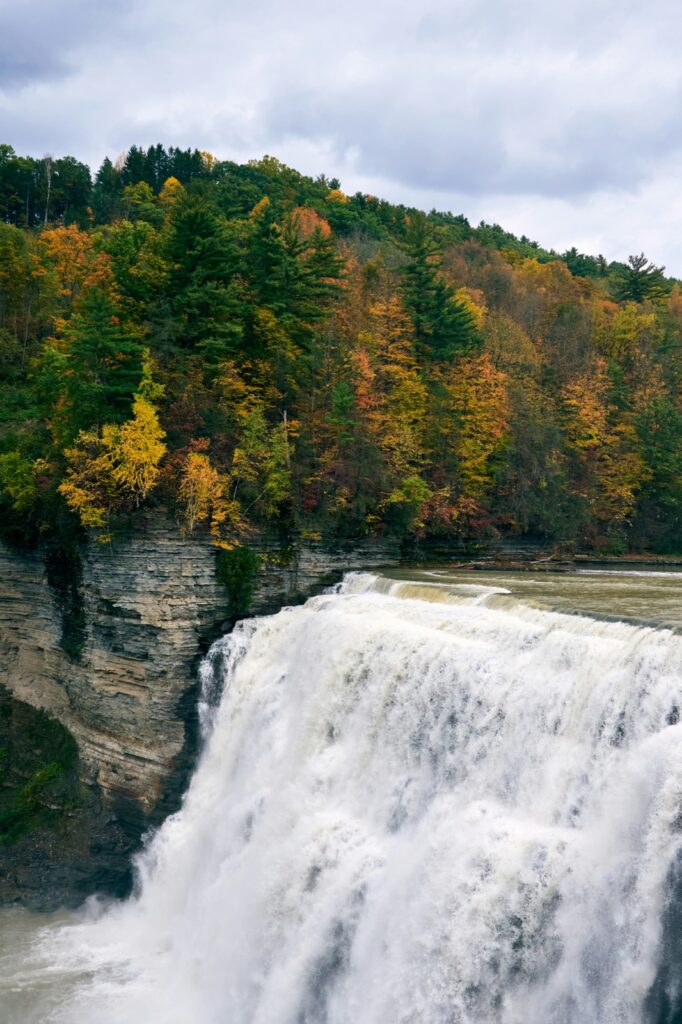
The physical environment cannot cure loneliness, dementia or depression. It can, however, make ordinary activities easier or harder. A clear route to the dining table, a quiet place to rest, access to fresh air and familiar visual cues may support movement, conversation and a sense of control. The best environment is the one the resident can actually use.
Nature can create opportunities for restoration and engagement
Research reviews have found associations between green-space exposure and aspects of older adults’ mental health, cognition and life satisfaction. The evidence varies by study and does not prove that every garden produces the same result. What matters in daily care is access: can the resident see, reach and safely use the space?
Nature may invite a short walk, a conversation about birds, a memory tied to gardening or a quiet pause. Those moments can become meaningful when the team knows the person’s interests and abilities.
Scale changes the social and sensory experience
A larger setting may offer more variety, routes and gathering spaces. A smaller setting may reduce travel distance, noise and the number of faces a resident must learn. Neither is automatically better. Match scale to mobility, cognition, personality and preference.
Visit at the time of day when the prospective resident usually has the most difficulty. Notice sound, lighting, traffic, wayfinding and whether staff can see residents without making the home feel institutional.
Familiar cues can reduce unnecessary effort
Consistent furniture placement, contrast between surfaces, clear bathroom identification and personal objects can help residents orient themselves. Good lighting supports vision and fall prevention, while reducing glare and clutter can make spaces easier to interpret.
Personalization should be functional as well as decorative. A familiar chair, family photograph or bedside routine can help a new room feel recognizable and support continuity after a move.
Outdoor access must be usable and safe
Ask about shade, seating, path surfaces, handrails, supervision and extreme-weather plans. A courtyard that is technically available but difficult to reach may have little benefit. Residents with mobility or cognitive changes may need invitations, accompaniment or adapted activities.
Water features, birds and gardens can also create maintenance and safety considerations. The community should be able to explain access, infection control, fall prevention and how staff incorporate the setting into daily life.
Observe behavior, not marketing language
Terms such as “luxury,” “home-like” and “resort-style” do not tell you whether the setting fits one person. Watch how a resident moves through the space and how staff respond when help is needed.
After move-in, ask whether the environment is helping the resident eat, sleep, move, connect and find familiar places. Adjust the room and routine when the real experience differs from the tour.
Supporting daily well-being in a nature-rich setting
Huntington Manor’s Poway grounds create more than a pleasant backdrop. Garden views, birds, outdoor paths and the sound of water can offer opportunities for quiet, conversation, light activity and familiar routines. These environmental features support daily life; they do not replace medical evaluation, therapy or individualized care planning.
Sources and further reading
- PubMed: Association between green-space exposure and health in older adults (opens in a new tab)
- National Institute on Aging: What Do We Know About Healthy Aging? (opens in a new tab)
- CDC: Vision impairment and falls among older adults (opens in a new tab)
This article is educational and does not replace individualized medical, legal, financial or benefits advice. Program rules, provider networks and eligibility can change; confirm current details with the responsible agency or health plan.